
Veneering
If you hear the term wood veneer and think of flat-pack furniture, it’s time you thought again! Wood veneers are an excellent material choice for many pieces due to the variety of colours and styles available.
Wood veneer is typically made up of a thin layer of natural hardwood, that is then bonded to a base material. The purpose of a veneer generally is that it’s more affordable than solid timber. Veneer is cut in a very thin layer from tree log, whereas solid wood is cut down from the log. Natural, solid wood is very susceptible to moisture, meaning it can result in warping if left. Veneers ensure that furniture not only looks great but is also long lasting.
The different types of wood veneer are available in the market that gives aesthetic look and improve the value the piece of the product. It is mainly used for interior decoration.
Veneering Cuts
We pride ourselves in our exemplary work. As such, we guarantee all of our veneering services.
The rotary cut is where a log is mounted at its centre on a lathe and rotated as a thin slice of veneer is peeled or sliced from it. It can produce very large single sheets which usually have a broad grain pattern. Rotary cut veneer can often be used as one complete sheet. Its pattern can appear quite random, which makes it difficult to match if pieces do need to be joined. It allows most of a log to be used, with little wastage, making it a cost-effective method of producing veneer.
This cut can also be called a crown or plain cut. This is probably the most common cut in woodworking. The log is cut in half and the veneer cuts are made parallel to a line through the centre. This produces a variegated pattern, as the grain gradually changes from one piece to the next. The veneer pieces are usually kept in sequence so they can be easily matched when joined to produce larger sheets. The pattern produced is of straight grains with dome shaped cathedrals or heart figures that are often seen on natural wood sheets. The width of sheets which can be produced will depend on the size of the log used. This method of cut can be used with most wood species and should produce moderately priced veneers.
The quarter cut uses a method which begins by quartering the log before it’s used, rather than halving it. The veneers are cut by a blade set at right angles to the growth rings. The method wastes more wood and produces narrower sheets than rotary or flat cutting, which can make it more expensive. Quarter cut veneers display a striped pattern, sometimes straight, sometimes varied, depending on the species of wood. Woods that commonly use this method are mahogany, teak and oak. When oak is quarter cut it usually has a flake pattern appear amongst its grains.
The half-round cut is a cross between rotary and flat cutting. A log is halved and cut on an arc, parallel to its centre. This produces wider sheets than you would get from flat cuts, which means smaller logs can be used. The pattern produced is similar to flat cuts, but the cathedrals usually have rounder tops.
The rift cut will usually be the most expensive, due to the amount of wood that is wasted. It is typically used to cut various species of oak. The finished grain patterns will be straight and resemble what is produced from a quarter cut. The log is quartered and the cutting angle periodically changes, so as to remain about 15 degrees off the quarter. Oak’s medullary ray cells extend out from the centre of the log and create the flake pattern in quarter cut oak. Cutting at an angle misses these rays and produces a comb effect grain pattern without any flakes.
The lengthwise cut is where a flat board of sawn wood is cut into sheets. This usually produces a variegated grain pattern. The width of the sheets produced will depend on the board used to make them.
Veneering Advantages
Compared to wood, one of the primary advantages of using veneer is stability. While solid wood can be prone to warping and splitting, because veneer is made of thin layers of wood glued together, the chances of splitting or cracking are reduced.
Some projects built using wood veneer would not be possible to construct using solid lumber, owing to expansion and contraction caused by temperature and humidity fluctuations. Another advantage of veneer is sustainability, furniture made with wood veneer uses less wood than the same piece of furniture made with solid wood. Further, veneer may also be more readily available than solid wood as exotic hardwood lumber can be scarce and very expensive.
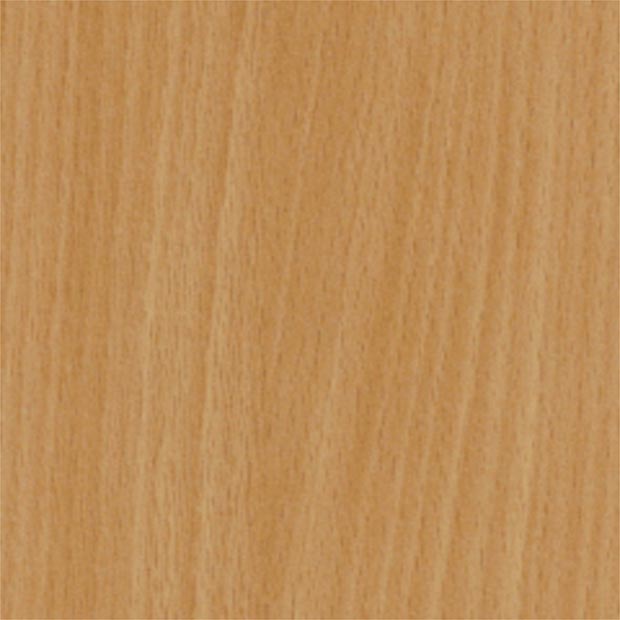
BEECH VENEER
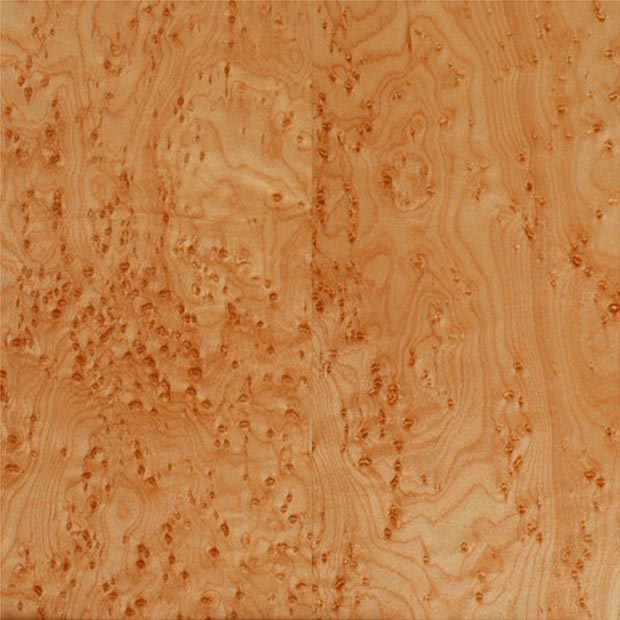
BIRDSEYE MAPLE
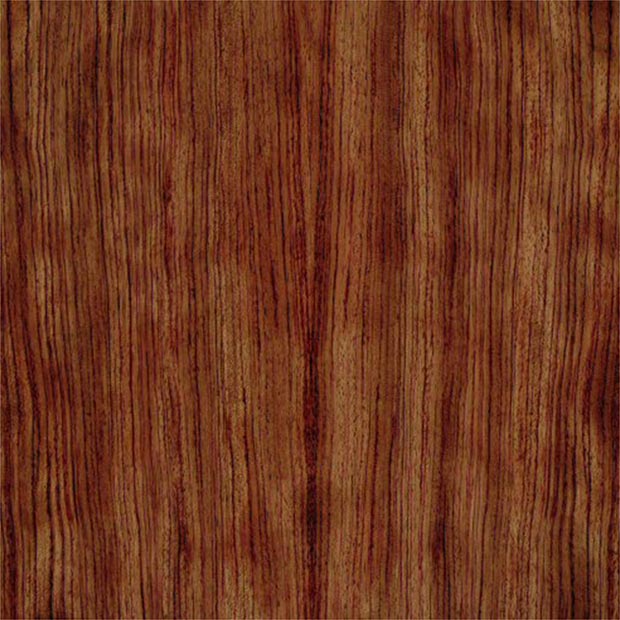
INGA
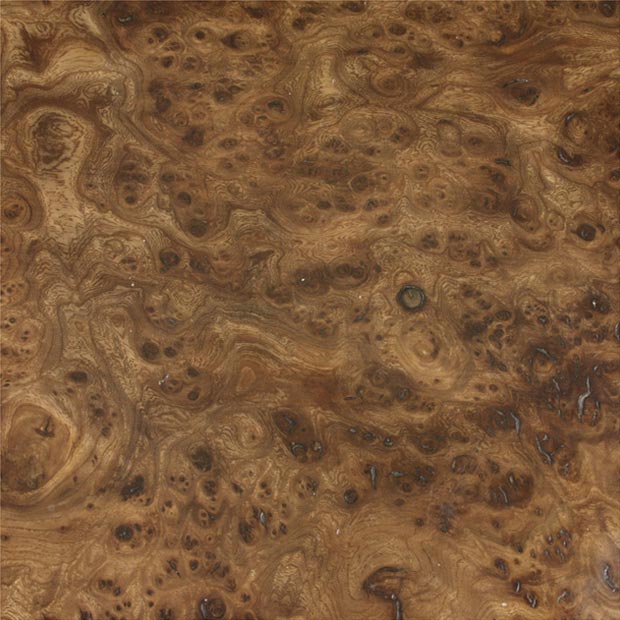
DARK ELM
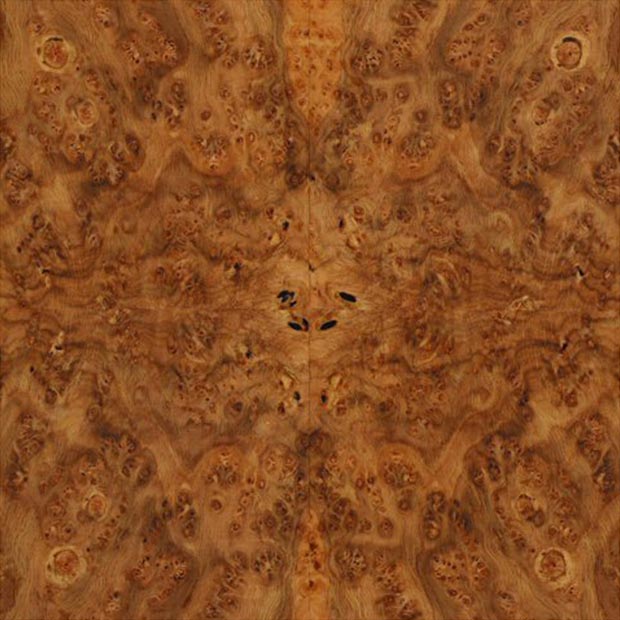
DARK OAK
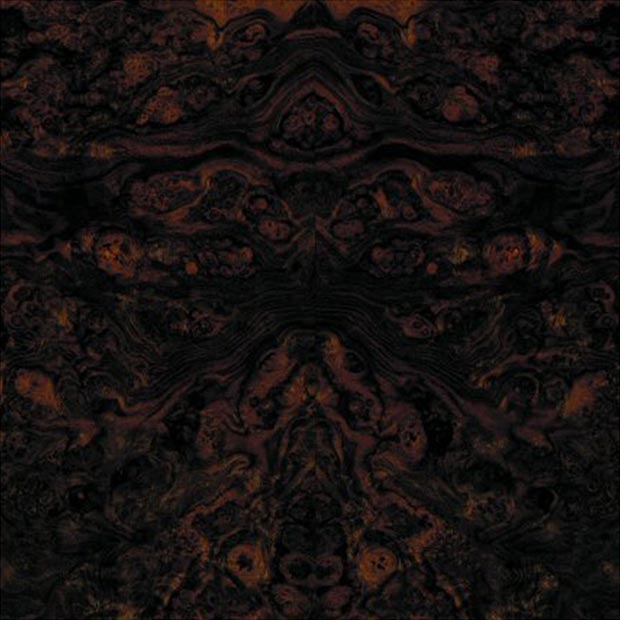
DARK WALNUT
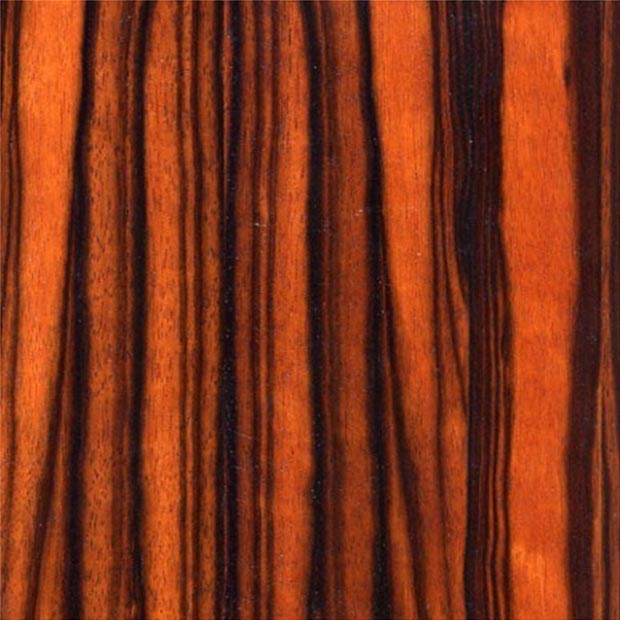
EBONY
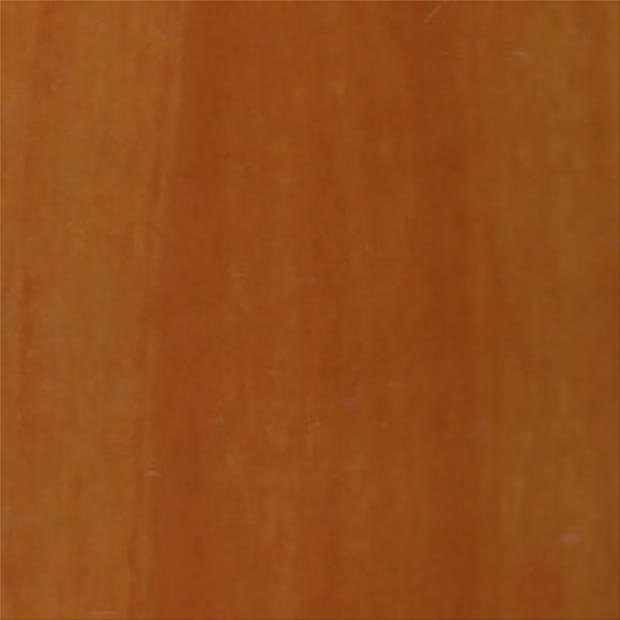
ANEGRE
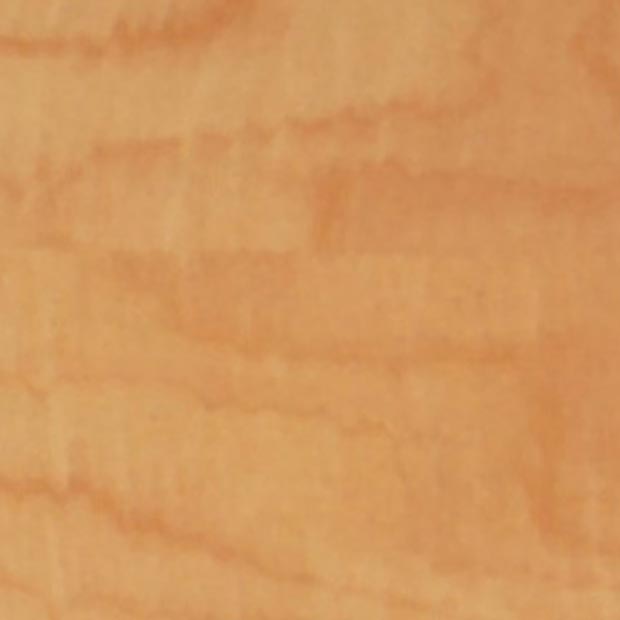
SYCAMORE
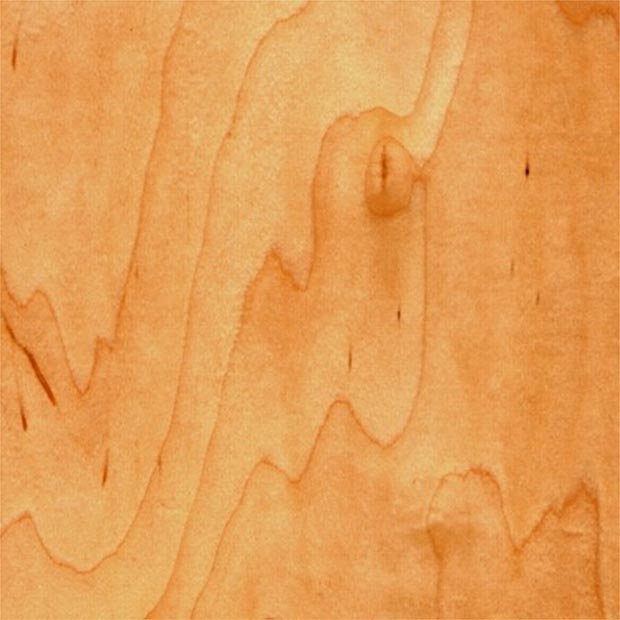
MAPLE
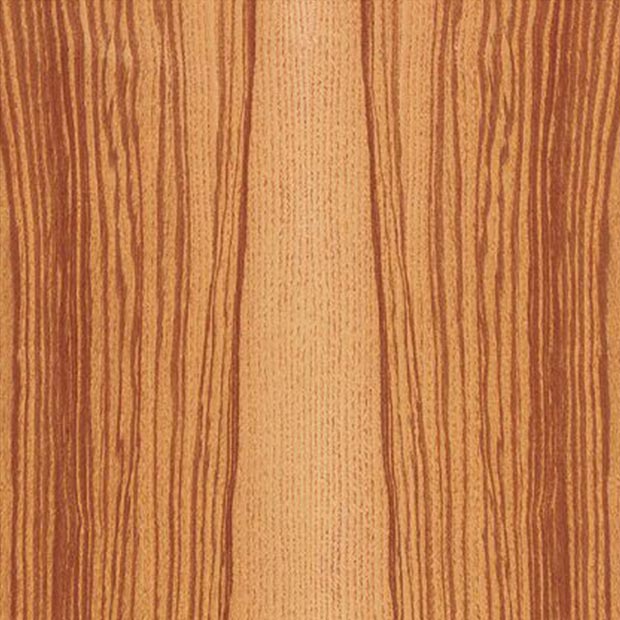
OLIVE ASH
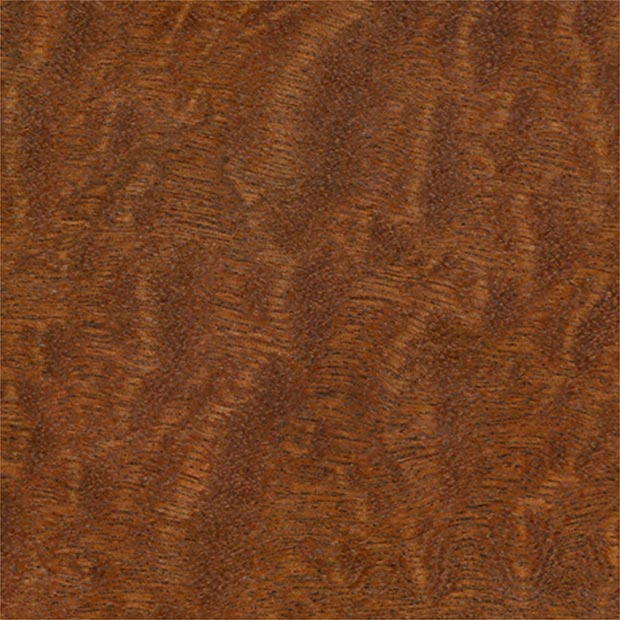
POMMELLE
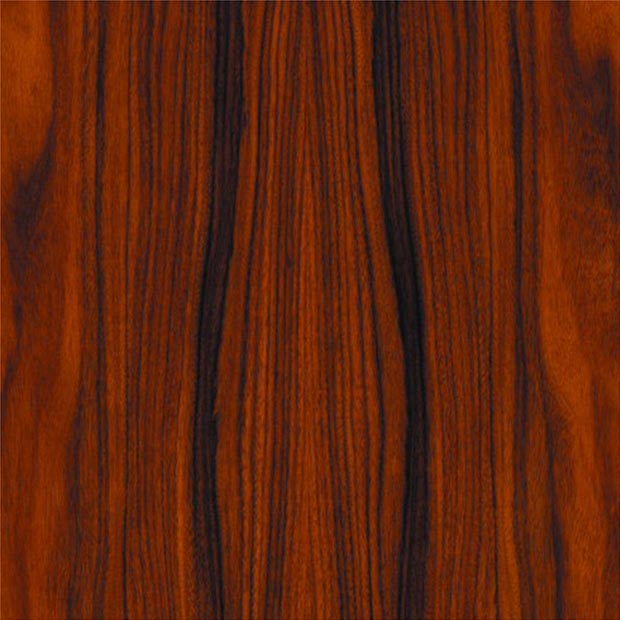
ROSEWOOD
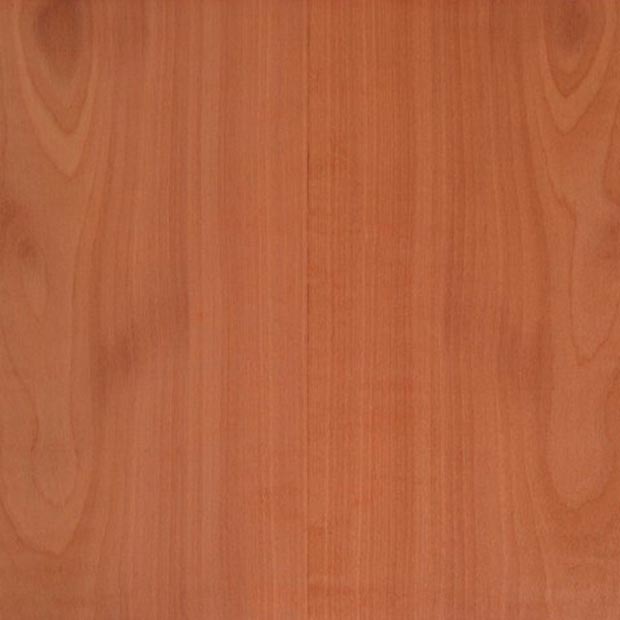
SWISSPEAR
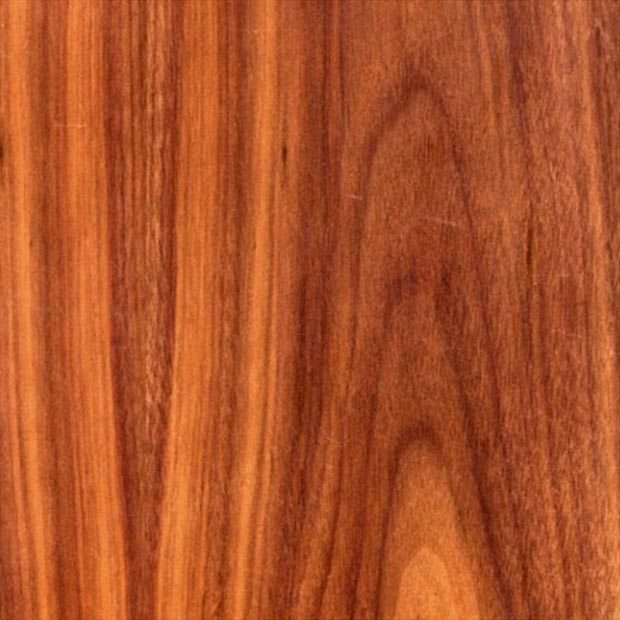
WALNUT
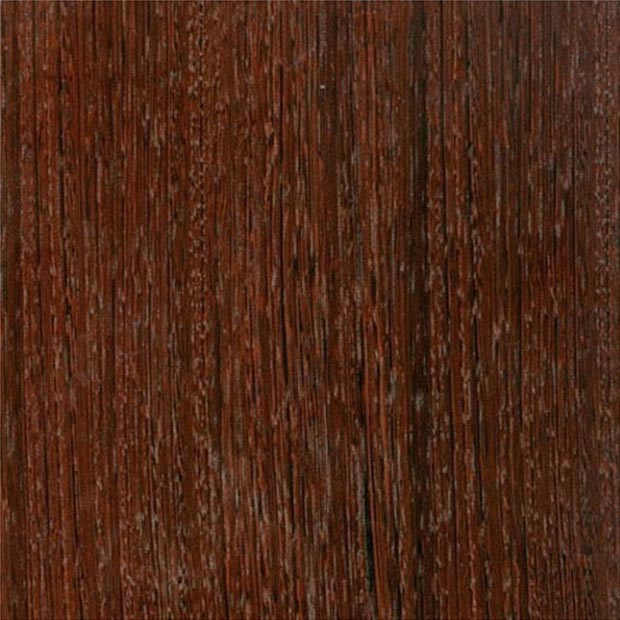
WENGE
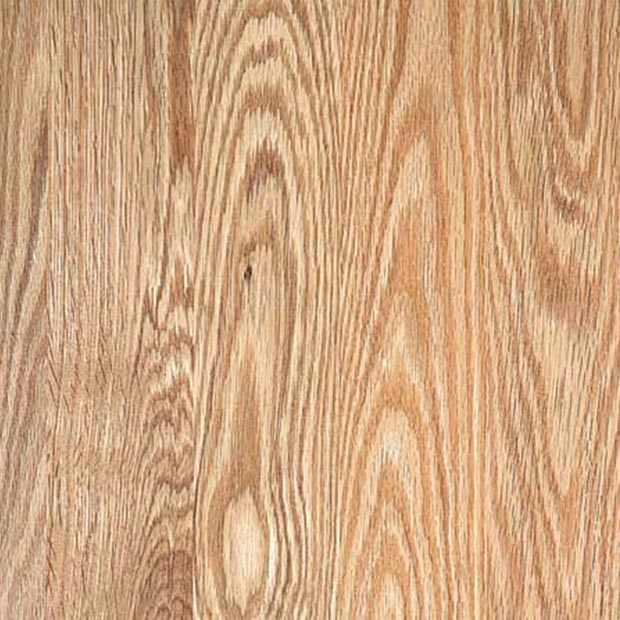
OAK
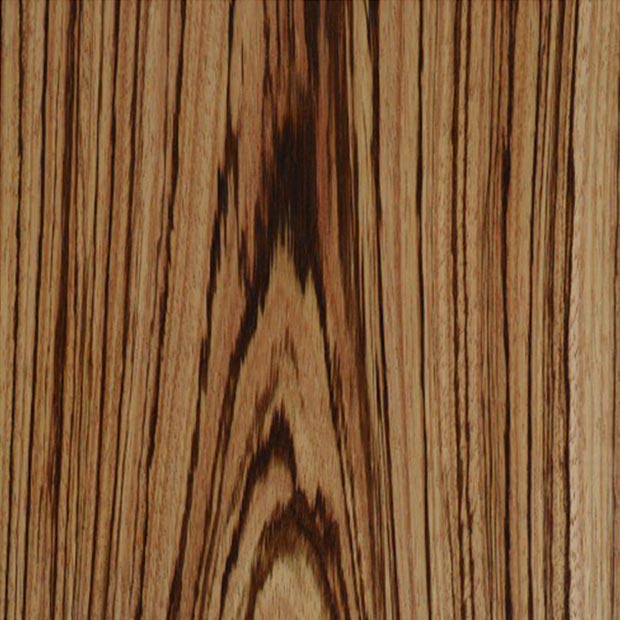
ZABRANO
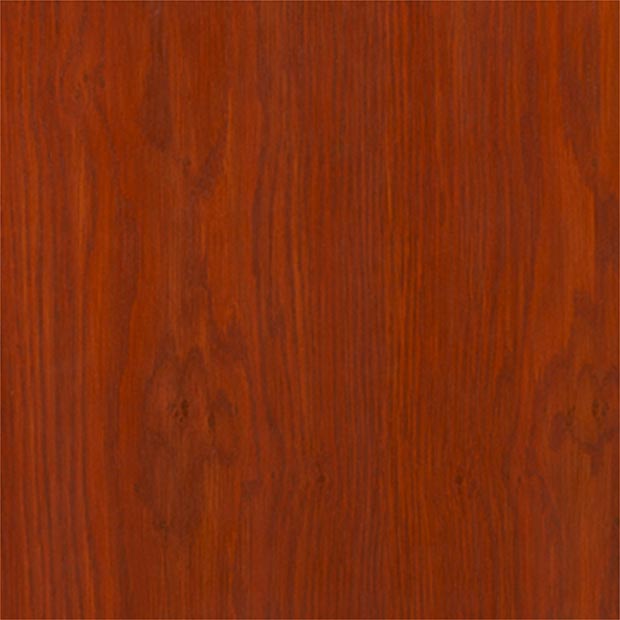
CHERRY
Veneering history
Techniques for decorating wood with veneer have been around for a while. Veneers of African ebony with inlays of ivory and other exotic materials were commonly used to decorate artifacts the Pharaohs planned to take with them into the afterlife.
Veneering took a major step forward in the 17th century, with the development of better woodworking tools. By the beginning of the 18th century, veneering began to take center stage when a shift in furniture making style replaced frame and panel construction with case and drawer construction. Surfaces of figured veneer were favored over shaped panels and carved surfaces. By the middle of the 1800s, commercial furniture producers in America had grown into factory-type operations that weren’t reliant on skilled cabinetmakers, and veneer was seen as a way to save on material costs more than as unique decorative technique.
Over the past couple of centuries, wood veneering has been on the upswing. Veneering techniques and equipment have been perfected to the point where veneer is an extremely reliable choice for producing natural wood surfaces for furniture. Veneering also offers a method for using exotic woods, that’s much less demanding on hardwood resources than solid wood construction. Veneer cutting equipment that produces near perfect results, along with the reliable adhesives and stable man-made substrates like MDF make veneering an exceptionally viable alternative to solid wood construction in a number of woodworking applications.
FREE QUOTE
Want a free, no obligation quote? Fill out this form and we’ll be in touch.